Coffee Brewing 7 min read

Moka Pot Magic: Stovetop Espresso at Home

The little aluminum pot on Italian stovetops for nearly a century brews strong, espresso-style coffee with no machine required. Here is how to master the moka pot.

2026-11-06

A classic aluminum moka pot

In Italy, the espresso machine may rule the cafe, but at home, coffee means the moka pot. The little octagonal aluminum brewer has sat on Italian stovetops since 1933, making strong, rich coffee that lands somewhere between espresso and drip. It costs about thirty dollars, needs no electricity, and outlives most appliances.

The moka pot has a reputation for bitterness, but that is almost always user error, usually heat that is too high or coffee left sputtering on the stove too long. Treat it gently and it produces a cup that is bold, smooth, and deeply satisfying, plus the best kitchen soundtrack in coffee: that final gurgle.

The Little Pot That Changed Coffee

Alfonso Bialetti invented the moka pot in 1933, inspired by the way early washing machines pushed soapy water up through laundry. His design does the same with coffee: water in the bottom chamber heats, steam pressure builds, and hot water is forced up through the coffee grounds into the top chamber.

It was a revolution. Before the moka pot, strong coffee at home meant complicated or expensive equipment. After it, every Italian family could make cafe-style coffee on a gas flame. The design is so perfect that it has barely changed in ninety years, and the original Bialetti Moka Express remains the best-selling model.

Moka coffee is not true espresso, since the pressure is much lower, but it brews at roughly double the strength of drip coffee. That makes it the right base for homemade lattes, cappuccinos, and affogatos.

Alfonso Bialetti patented the design in 1933 and named it after Mocha, the Yemeni port city synonymous with coffee. His son Renato turned it into a global phenomenon after the war, and today the little mustachioed mascot, the Omino, is recognized around the world.

Getting Ready

Fill the bottom chamber with water up to just below the safety valve. Some people swear by starting with hot water to reduce the time the grounds spend heating, which prevents a cooked, metallic taste. It is worth trying both ways.

Fill the filter basket with coffee ground medium-fine, a little coarser than espresso and a little finer than drip. Level it off with your finger, and here is the important part: do not tamp it. Tamping creates too much resistance for the moka pot's modest pressure and leads to bitter, over-extracted coffee or a sputtering mess. A loose, level basket is all you need.

Screw the top chamber on firmly, remembering the handle can be hot if you preheated the water. A folded towel helps.

Brewing Step by Step

Set the pot over medium-low heat with the lid open so you can watch. This is the step everyone rushes, and it is where bitterness is born. High heat makes the water blast through the coffee too hot and too fast. Gentle heat gives a slow, even extraction.

After a few minutes, coffee will begin flowing into the top chamber in a steady, honey-colored stream. Listen for it. When the stream lightens in color and the pot starts to gurgle and sputter, it is done. Take it off the heat immediately. Some people run the base under cold water to stop the extraction dead.

Pour right away. The coffee sitting in the top chamber over residual heat keeps cooking. A good moka brew is rich, syrupy, and strong, perfect straight, with a little sugar in the Cuban style, or stretched with hot milk.

Care and Common Mistakes

Rinse the pot with water after each use and let it dry completely before reassembling. Whether to use soap is a religious debate in Italy; the traditional view is water only, so the aluminum seasons over time. Replace the rubber gasket and filter plate when they wear out, roughly once a year for daily users. Spares cost almost nothing.

If your coffee tastes burnt, lower the heat. If it tastes weak and watery, grind finer or fill the basket completely. If nothing comes up at all, check that the gasket is seated and the filter plate is not clogged with old grounds.

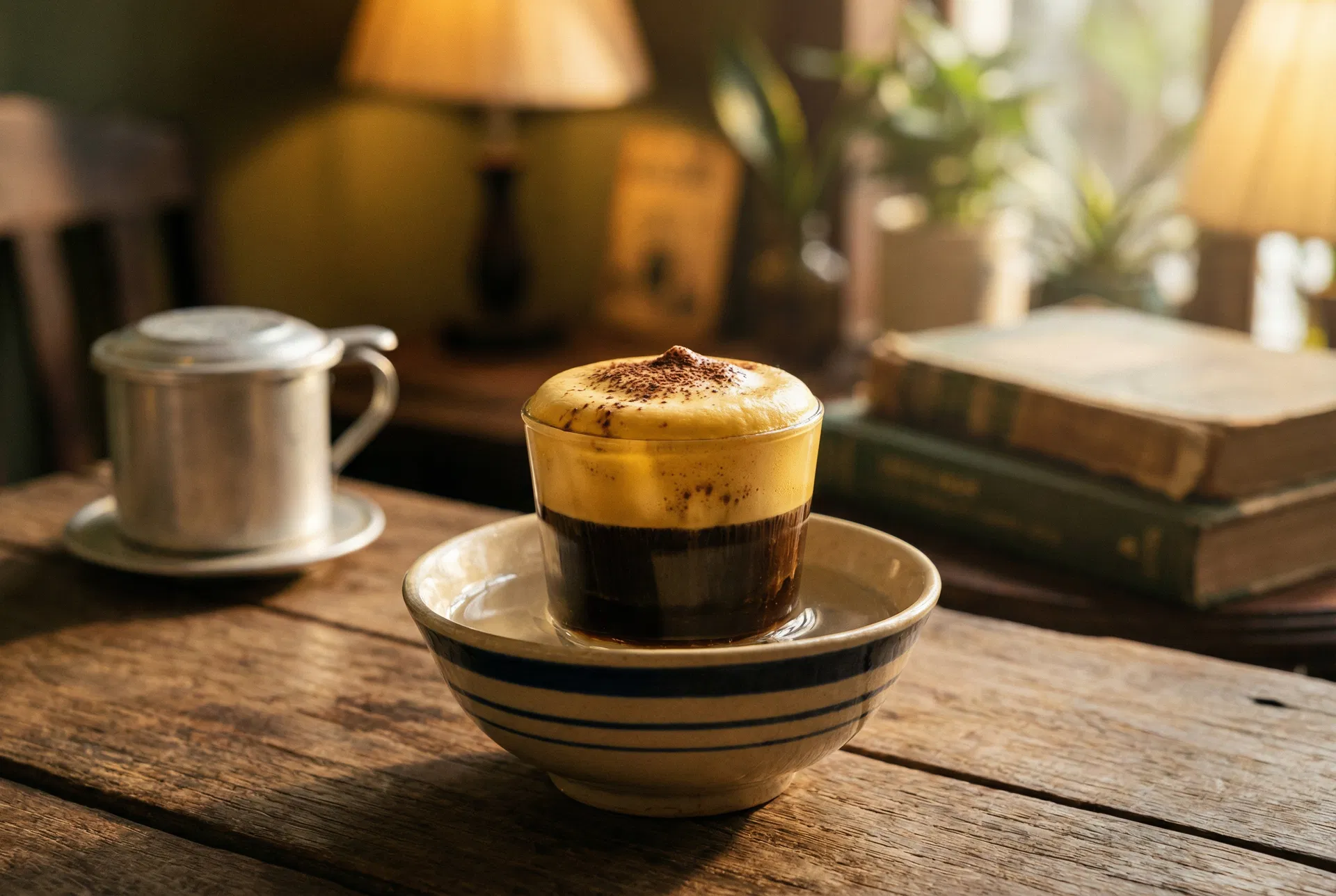
Strong stovetop coffee like this is exactly what you want for an espresso martini or a Vietnamese egg coffee, both of which need a brew that can stand up to rich additions.

And if the pot ever stops brewing well despite a good gasket, check the funnel and spout for scale buildup, especially if you have hard water. A soak in a vinegar solution every month or two keeps the channels clear and the coffee tasting clean.

Water quality matters more than most people expect here, since cold water extracts more slowly and highlights any off flavors. If your tap water tastes good, use it; if not, filtered water is worth it.

Keep Exploring

https://ourcoffeetyme.com/article/espresso-martini-at-home

https://ourcoffeetyme.com/article/vietnamese-egg-coffee

Photo: Coyau, CC BY-SA 3.0, via Wikimedia Commons

Share this article

Back to all articles

The coffee club

A little coffee inspiration.
Made for your next cup.

Brewing tips, recipes worth waking up for, and stories from Our Coffee Tyme. Pull up a chair.

We’re getting email delivery ready. You can join the list now; no welcome email is sent while delivery is disabled.

By subscribing, you ask us to save your email for coffee updates and send a welcome email when email delivery is enabled. Every email includes an unsubscribe link. Read our Privacy Policy.